
Party casino roulette
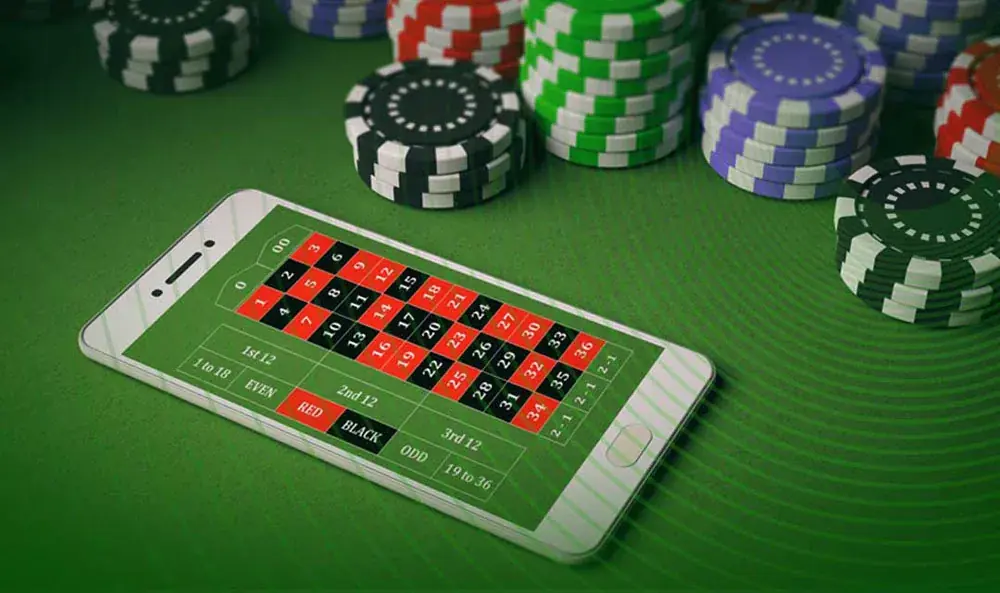
When I evaluate a roulette section, I look past the simple fact that a casino “has roulette.” That alone tells me very little. What matters in practice is the mix of versions, the quality of the interface, the spread of stake ranges, and whether the tables are actually easy to find and use without friction. In the case of Party casino Roulette, the section is generally relevant for players in Canada who want both digital wheel Party Casino games review and live dealer options, but its real value depends on how well the available tables match the player’s budget and preferred pace.
This is not a broad review of the whole platform. I am focusing strictly on roulette at Party casino: what is usually available, how the section works, what a player should verify before settling on a table, and where the practical strengths and weak points tend to appear.
Does Party casino offer roulette and how is the Roulette section usually presented?
Yes, Party casino does offer roulette. In practical terms, that usually means roulette is available as a dedicated category or as part of a filtered table-games and live-casino lineup. For the user, that distinction matters. A roulette title hidden inside a larger games library is not the same thing as a clean, usable Roulette page where the relevant titles are grouped logically.
What I usually see with Party casino is a mix of RNG-based roulette and live casino games guide tables from established providers. That gives the section more depth than a token one-game presence. Still, the real test is not the headline count. It is whether a player can quickly move from the lobby to a suitable wheel, compare versions, and understand table conditions without opening several game windows.
One small but important observation: a roulette section feels stronger when the lobby shows enough information before entry. If stake levels, table names, and game type are visible early, the user makes faster decisions. If everything looks similar until the game loads, the section may appear larger than it actually feels in use.
What roulette formats can a player expect and why do the differences matter?
The practical value of Party casino Roulette usually comes from format variety. Not every roulette game serves the same player. Some want a classic single-screen wheel with fast rounds. Others want a studio table with a dealer, chat, and a more social rhythm. Those are very different experiences even when the core betting grid looks familiar.
In most cases, players can expect some combination of the following:
- Standard RNG roulette — software-based, fast rounds, no dealer on camera.
- European roulette — usually the most player-friendly classic format because it has a single zero.
- French-style roulette — sometimes available, often with rule variations that can matter on even-money selections.
- American roulette — less attractive for many experienced users because of the double-zero layout.
- Live dealer roulette — streamed from a studio or casino floor, with real-time betting windows and table-specific limits.
- Auto or rapid tables — useful for players who prefer quicker rounds and less downtime between spins.
The difference is not cosmetic. A single-zero wheel generally offers better mathematical value than a double-zero version. Live tables add realism, but they also introduce waiting time, table minimums, and occasional seat or betting restrictions. RNG titles are usually more efficient for players who want speed, repeat betting, and cleaner interface control.
Which classic and live versions are typically available at Party casino?
At Party casino, the roulette offering typically leans on recognizable staples rather than obscure variants. That is usually a good sign. A player is more likely to find familiar titles such as European Roulette and live dealer options than a long list of novelty wheels with little practical demand.
From a user perspective, the most important formats to check are these:
| Roulette type | What it means in practice | What to check |
|---|---|---|
| European Roulette | Single-zero layout, standard rules, strong default choice for many players | Minimum stake, speed of rounds, interface clarity |
| Classic RNG Roulette | Fast gameplay, no waiting for dealer actions, easy repeat wagering | Chip controls, racetrack view, autoplay restrictions if any |
| Live Roulette | Real dealer, streamed table, more immersive but slower | Betting window length, stream quality, table occupancy |
| Auto/Rapid Roulette | Shorter intervals between spins, useful for players who value pace | Stake range, readability on mobile, result history display |
If Party casino includes several live tables, that improves the section substantially. One live title is better than none, but multiple tables with different minimums are what make the category genuinely useful. A roulette page becomes much stronger when low-stake users and higher-stake users can both find suitable conditions without compromise.
How easy is it to access the roulette area and start a session?
Ease of access matters more than many operators admit. A roulette section can be technically full of content and still feel awkward if the navigation is cluttered. With Party casino Roulette, the ideal user path is simple: open the casino lobby, enter the roulette category or apply the roulette filter, compare titles, then enter the preferred table without unnecessary detours.
What I pay attention to here is not just load speed. I look at whether the page structure helps the user distinguish software wheels from live tables, whether the thumbnails are informative, and whether the sorting makes sense. If every game tile uses similar branding and little detail, users spend too much time opening and closing titles. That is a small friction point, but over time it affects how useful the section really feels.
A good roulette page should make three things visible early: format, stake profile, and provider. If Party casino presents these clearly, the experience improves immediately. If not, the section may still be playable, but less efficient than it should be.
What rules, stake ranges, and game conditions should players review first?
This is where practical evaluation begins. Before choosing any wheel at Party casino, I would check the rule set and table conditions rather than jump straight into the first available title. Roulette games can look almost identical while offering meaningfully different value.
The first thing to verify is wheel type. A single-zero game is generally preferable to a double-zero game. After that, I would review the minimum and maximum stake, because these determine whether the table suits casual testing, regular low-budget sessions, or higher-volume wagering.
Key points worth checking include:
- whether the game uses a single-zero or double-zero wheel;
- minimum inside and outside stake requirements;
- maximum payout caps on straight-up numbers and combination selections;
- special rules such as La Partage or En Prison, where available;
- betting window length on live tables;
- whether repeat, re-bet, undo, and favourite-bet tools are easy to use.
One of the most overlooked details is chip handling. On a well-built roulette interface, chip values are easy to switch, the board responds cleanly, and accidental placement is easy to correct before the spin closes. On a weaker setup, users waste time fixing inputs instead of focusing on the session. That sounds minor, but in roulette, interface precision is part of the product.
Are there live dealers, multiple tables, and useful betting tools?
Live dealer roulette can significantly raise the practical appeal of Party casino, but only if the live section is more than a checkbox feature. A single studio table with one stake level is not enough for many users. What makes live roulette genuinely useful is choice: different minimums, different dealers or studios, and enough active tables to avoid bottlenecks during peak hours.
If Party casino offers several live tables, players should compare them instead of entering the first one they see. Two tables may use the same wheel format but feel completely different because of dealer pace, camera angle, interface layout, or betting time. Some players prefer a calm table with longer decision windows; others want a faster cycle.
Useful features in roulette often include:
- re-bet and repeat options for recurring patterns;
- statistics panels with recent results;
- racetrack betting for neighbour and sector selections;
- favourite or saved layouts in some versions;
- clear display of hot/cold numbers, even if these are informational rather than predictive.
Here is one memorable truth about roulette interfaces: the best tables are often not the flashiest ones. A cleaner layout with readable history and reliable chip response usually serves the player better than a heavily animated title that slows down decision-making.
How comfortable is the real user experience in Party casino Roulette?
In day-to-day use, the value of Party casino Roulette comes down to rhythm. Can a player move between tables easily? Are the games stable? Is the betting grid readable on smaller screens? Does the section support quick comparison, or does it force trial and error?
For RNG titles, comfort usually means smooth controls, fast loading, visible recent results, and an uncluttered board. For live tables, comfort depends more on stream stability, dealer pacing, and the quality of the betting overlay. If the wheel stream is sharp but the interface is cramped, the experience still suffers. Before you make a deposit, it is worth reading Party Casino promotions and bonus offer guide for the fee and speed details.
I would also note that roulette sessions often reveal usability issues faster than slots do. In a slot, a player may tolerate visual noise. In roulette, they need precision. Misplaced chips, unclear sectors, or delayed response undermine confidence quickly. That is why even a medium-sized roulette portfolio can feel strong if the execution is disciplined. When the support team feels slow, best casino ownership page at Party Casino explains the fastest ways to reach them.
Another useful observation: a live table with moderate minimums and a clean betting timer is often more valuable than a larger lobby full of near-duplicate tables. Quantity helps, but only if it creates meaningful choice rather than clutter.
What can limit the real value of the Roulette section?
Even when Party casino clearly has roulette, several factors can reduce the section’s practical usefulness. These are the issues I would watch most closely:
- Narrow stake coverage — if low-limit and mid-limit users are not both served, part of the audience is excluded.
- Too few live tables — this limits flexibility and can make the live offering feel thin.
- Weak game labeling — if the lobby does not clearly distinguish wheel type or format, comparison becomes inefficient.
- Overreliance on double-zero versions — this lowers the appeal for players who care about stronger base rules.
- Interface friction on mobile — roulette requires accurate input, so cramped controls matter more here than in many other categories.
- Lack of rule transparency — if special conditions are hidden until after entry, the user has to do unnecessary work.
The biggest risk is often not the absence of roulette, but the gap between visible availability and actual usability. A casino can display several roulette titles and still offer a mediocre practical experience if the table spread is narrow or the navigation is clumsy.
Who is Party casino Roulette best suited for?
Based on how roulette sections of this type are usually structured, Party casino Roulette is best suited for players who want familiar formats, a mix of software-based and live options, and a straightforward path to standard wheel games without hunting through unrelated categories.
It is especially suitable for:
- players who mainly prefer European roulette;
- users who alternate between quick RNG sessions and live dealer play;
- Canadian players who want a recognizable roulette category rather than a hidden add-on;
- users who care about practical table selection more than novelty variants.
It may be less ideal for players who want an unusually deep catalogue of specialist roulette variants, highly segmented complete Party Casino VIP program guide for safer real money play table ranges, or an extensive live lineup with many niche studio options. That does not make the section weak; it simply defines its likely audience more clearly.
Practical tips before choosing a roulette table at Party casino
Before settling into regular use, I would recommend a short checklist. It saves time and helps avoid choosing a table that looks fine at first glance but does not fit your style.
- Start with a single-zero wheel if one is available.
- Compare at least two live tables before picking a regular one.
- Check minimums carefully, especially on live streams.
- Test the betting interface with small amounts first.
- Look for repeat and racetrack tools if you use structured number coverage.
- Do not judge the section by title count alone; judge it by usable variety.
If you play on mobile, spend an extra minute checking board readability. Roulette is one of the few casino categories where screen comfort directly affects decision quality. A table that looks fine on desktop can feel cramped on a phone, especially for neighbour and sector selections.
Final verdict on Party casino Roulette
Party casino Roulette appears to be a credible option for players who want a practical roulette section rather than a decorative one. The likely strengths are the presence of recognizable formats, the combination of RNG and live dealer choices, and a user flow that can be efficient when the category is labeled clearly. For many players in Canada, that is enough to make the section worth serious attention.
The strongest side of Party casino roulette is not simply that roulette exists there. It is that the category can offer different ways to play depending on pace, budget, and preference for software or live presentation. That said, the section should still be judged carefully. I would pay close attention to wheel type, stake spread, number of live tables, and how transparent the lobby is before opening a game.
My bottom-line view is simple: Party casino roulette is best for users who want standard, dependable roulette formats with reasonable usability and at least some live depth. The section becomes more valuable if it offers multiple single-zero choices and live tables across different stake levels. Caution is needed if the lineup leans too heavily on similar titles, unclear table conditions, or a limited live selection. Before using it regularly, check the real table mix rather than the category label. That is what tells you whether the roulette section is merely present or genuinely useful.
FAQ
How does European roulette differ from American roulette at the table?
European roulette uses a single zero, while American roulette includes an extra double zero. That small rule change affects how often certain outside bets win and how the overall odds feel over time.
What does a live roulette lobby offer compared with a standard roulette game?
A live table connects players to a real dealer in real time, with bets placed directly during the wheel cycle. The experience includes live bet tracking and a more interactive flow than scripted spins.
Before placing real-money bets, which settings should be checked for roulette demo mode?
Confirm whether demo mode is actually enabled in the game controls, and note the bet panel behavior and available bet types. Also check that bankroll is separate from real-money funds so practice does not affect account balance.
How do casino games like roulette connect with casino login if a session times out?
Logging back in restores account access and ensures the correct balance and wagering status are displayed. If the table does not reload instantly, reopening the roulette game from the lobby typically re-syncs the bet interface.
What should be reviewed right before pressing the bet or join button on a live roulette table?
Confirm the table type, limits, and the exact bet options shown. Then check the active bankroll and stakes to avoid placing wagers that do not match the table rules.